An interesting project. Sound Sleuth 7.1.4 Mixing Rig : 10 Steps (with Pictures) - Instructables.
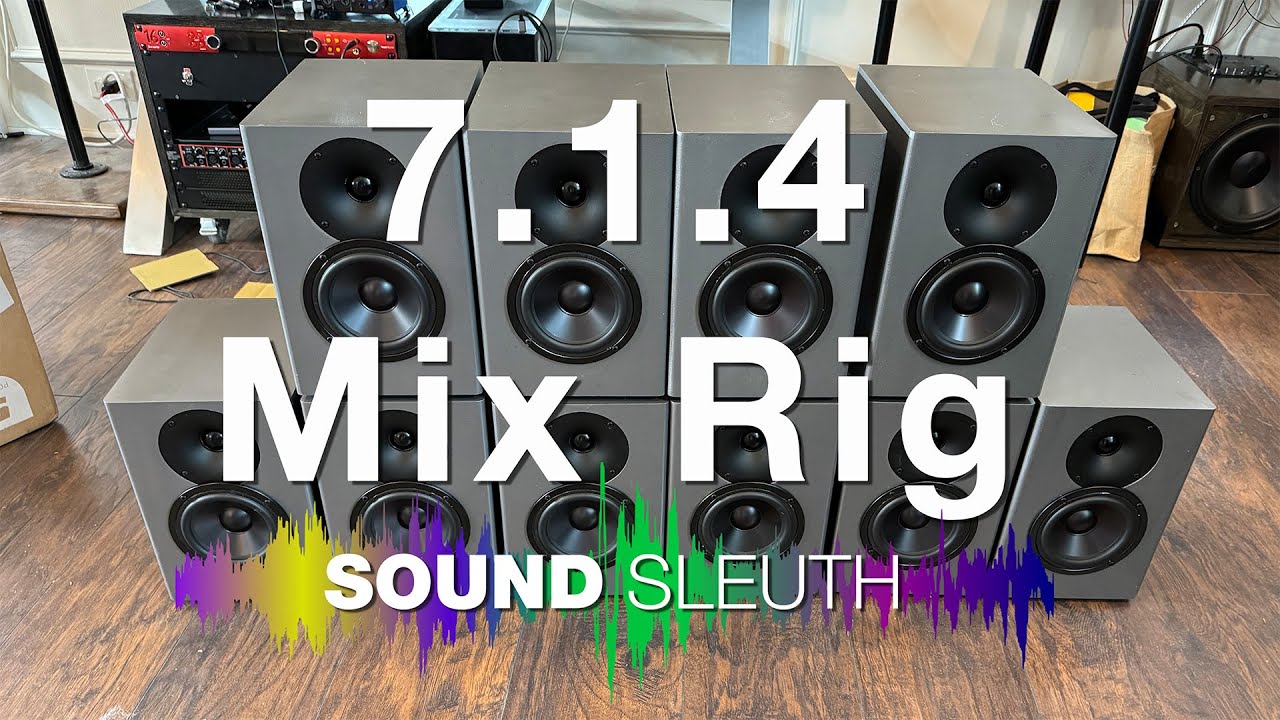
It has been bugging me how every time Dolby comes up with a new idea, it makes all the current AV receivers and soundbars obsolete. There are options you can do like separating the processing and amplifiers but at 100% markup (apparently) for everyone in the home theatre supply chain it starts to get a bit pricey.
It seemed to me it should be able to be done with a computer, input HDMI DAQ, processing and output DAQ. Apparently, this occurred to Trinnov with their Altitude 16 processor which clearly displays the standard MSI motherboard connectors at the rear and comes with a very appropriate home theatre sticker price of AUD$27,000/US $17,000/GBP 13,000.00! It is not much more than a Zynthian inside … when you break it all down  A single board PC with some I/O DAQ.
[edit] The new Emotiva RMC-1+ (yet to be released RRP USD 5,499.00!) has a CM4 module as an “upgrade”. ref: video. Gives a good breakdown of the HDMI interface and audio DAC boards.
Of course there are some more affordable solutions like Tonewiner AT-200, AT-300, Emotiva BasX MC1 processors (from AUD$1200-2100), Emotiva RMC-1, Monoprice HTP-1 processors (~USD$5,499) or dedicated AV receivers like Onkyo RZ70/Denon AVC-Z6800H (~AUD$6000) . Dedicated power amps are typically A/B class and like a few grand per 7 channels at about 100-200 W RMS per channel with THD like 0.08% at the rated power.
I think this project is a great starting point both in setting up for making more Atmos content but I think it would not take too much to extend the project to be an AV player that can output Atmos media. I guess some sort of man in the middle OS sound driver to take the content and direct it to the appropriate output channel.
Admittedly he does use a USD$4600 Focusrite Red 16Line but you might get away with the two old Behringer UMC1820 giving 10ch out each for much less. But even at USD$4600 it is a lot less/more capable than other commercial home theatre products and upgradable once you sort out how to do the AV media processing/driver software.
The instructable is good for some pretty good speakers and sub just on their own. The guy also makes his own microphones among other projects.