SD-cards for zynthian V5

I would like to open this thread to discuss the SD-card subject and to centralize reports about SD-cards that works nicely, don’t work, have been counterfeited, etc.

To start the thread i have a first report about these 2 beauties that i just opened and burned with the intention of sending to several community members that have issues:
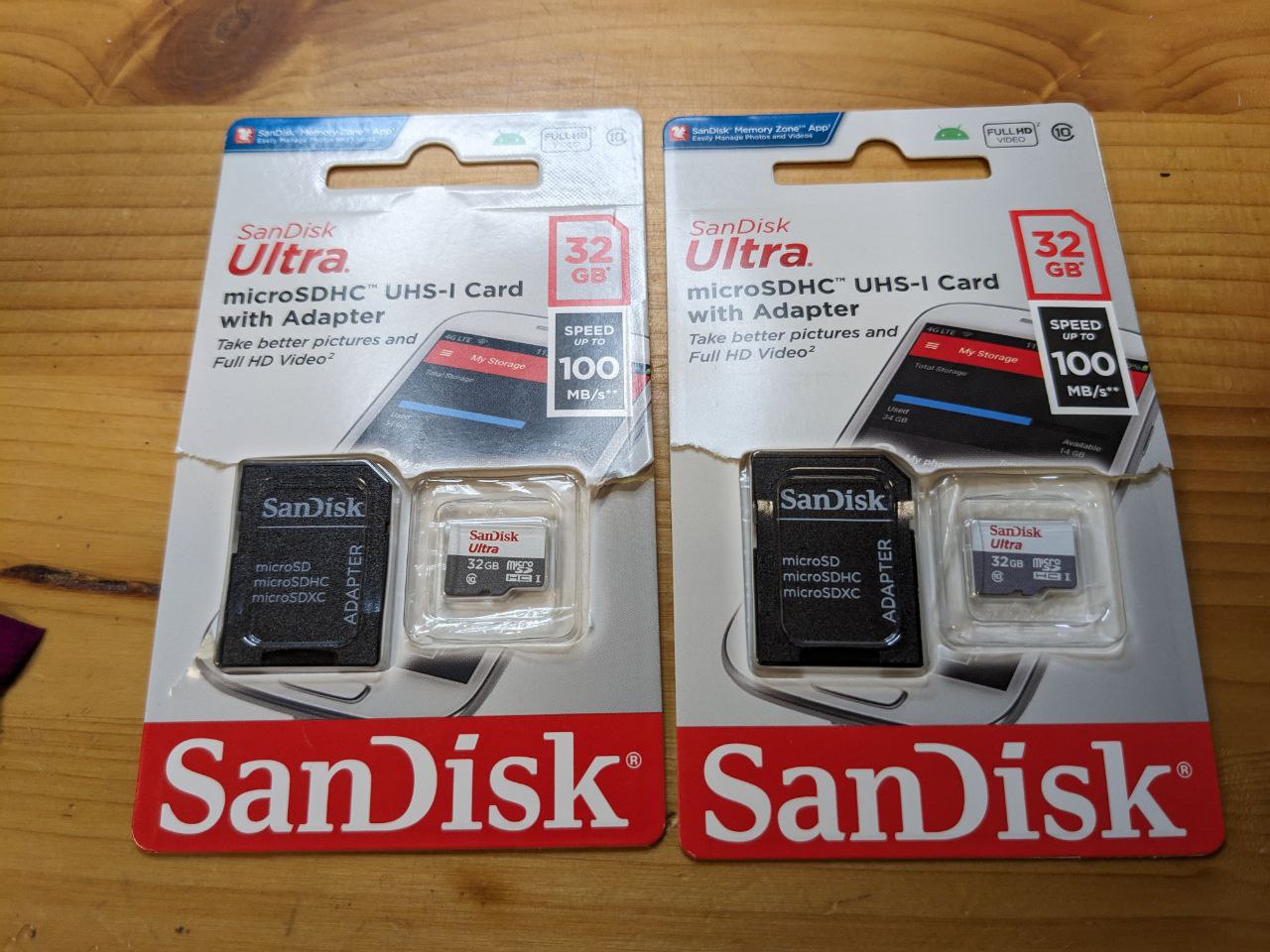
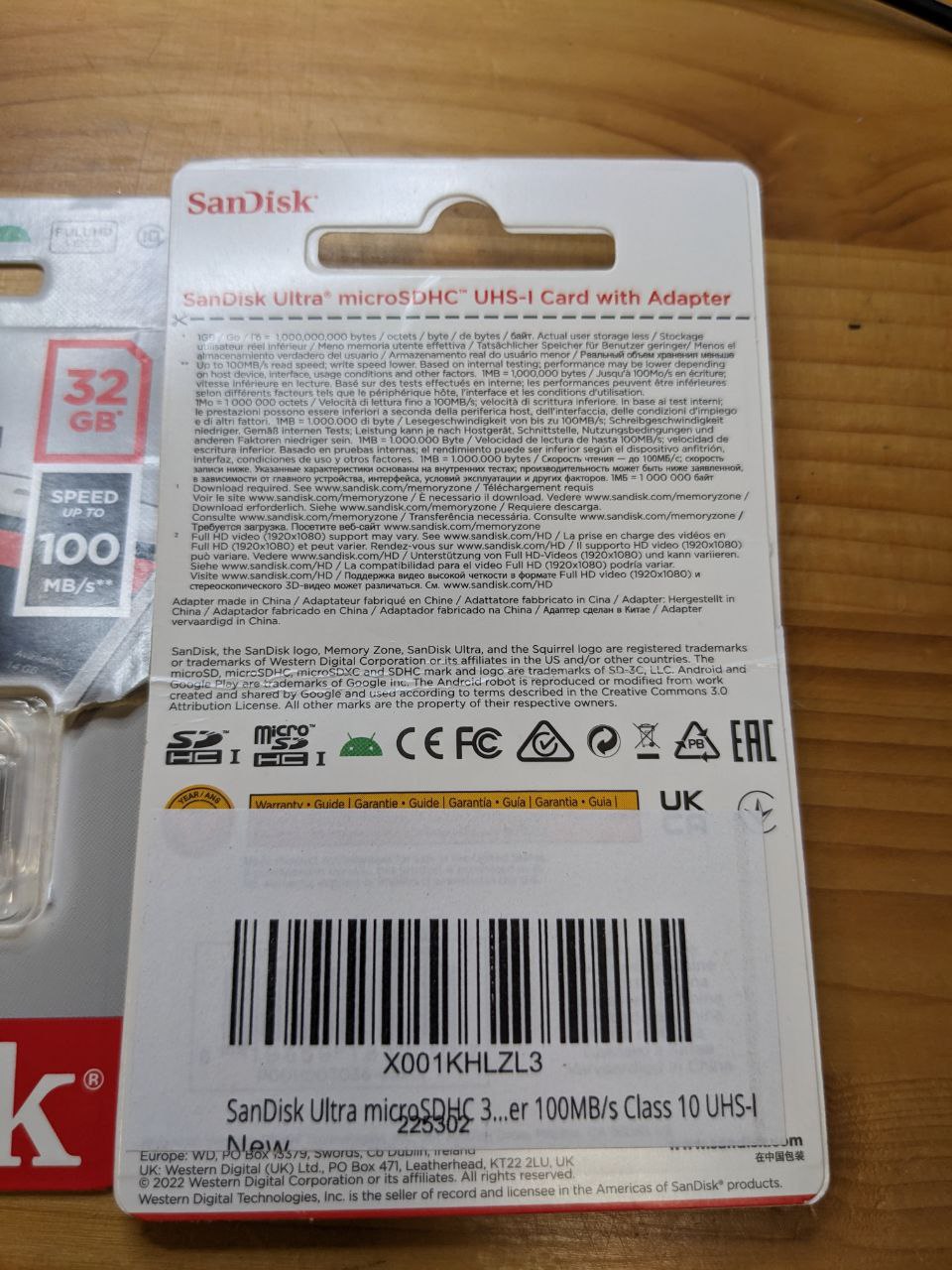
They seem good, right? Yes, i buy from amazon, from a “supposedly” trusted source. Indeed, i have ordered many sdcards from this merchant in the past and recently, including several 64GB sdcards in the same order.

I was surprised because of the white/grey combination, that i had not seem lately, but the real surprise has been when after burning, my zynthian V5 has refused to boot with both of them. I’ve repeated the burning. Nothing.

Then i opened this one and burned:

Same order and merchant. It worked like a charm at first try and i’m pretty sure it will work for years like the first days (i have some experience with this :nerd_face:)

What is the difference? I couldn’t say. Of course, the color. The first ones are SDHC (32GB) and the second one is SDXC (64GB). But they all seems perfectly OK, both are UHS-1. Good quality packaging, good merchant, normal price. And both color combinations are legit.

I must admit that it’s been 3 years from the last time i bought “bad” sdcards, but i also must admit that i’ve been extremely picky and i’ve accepted to pay extra money to buy from trusted merchants.

Of course, I could do extra tests to the “bad” sdcards and spend a lot of time to know what the hell is happening, but the true is that such an effort wouldn’t improve my skills to not buying bad sdcards again. After years in the business, i’m still buying bad ones from time to time :grin:

All i can say is.

  • Be picky. Choose trusted sources.
  • Pay the price
  • Be prepared to fail
  • so … don’t put all eggs in the same basket. I mean, buy several sd-cards of different models and sizes. 32 or 64 GB. I rarely buy nothing but sandisk, but you could try samsung, or so.

And don’t blame your zynthian V5 without being sure your sd-card is not guilty!! Remember that:

SD-cards are the main vector of issues with new zynthians.

All the best luck!!
8 Likes

If you separate the two layers of the genuine SanDisk cardboard packaging completely, you will find inside a sticker with a serial number of a two year license for RescuePRO Deluxe by SanDisk RescuePRO Offer - LC Technology I guess the counterfeit will not have this, or if they have it, the code will be invalid if you try to register the software. Further information can be found on the SanDisk Safe Buying Guide | Sandisk There are other sites on the web, like How to spot the fake SanDisk Ultra microSD card without opening packag In reality, you may never be sure these sites have not been published by counterfeiters intentionally to legitimise their own products, so be careful with sites that are not published by the genuine manufacturer.

4 Likes

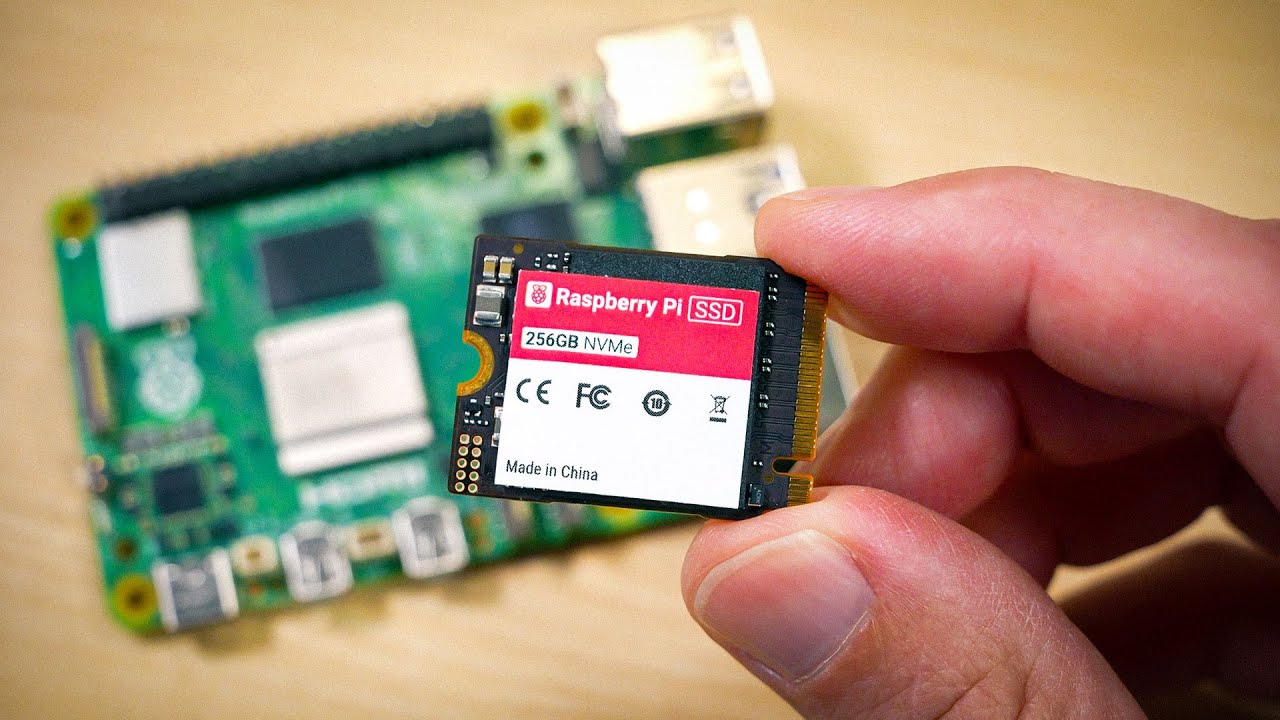
I think this YouTube video gives some relevant background information on this forum topic. The video title might make you think it is just about SSDs; But it’s really about SD cards and SSDs. I’ll summarize the points:
The compatibility with the Pi (and therefore Zynthian) depends on the chips used and the microcode-firmware present in the storage product. This can vary over time as the storage manufacturer changes suppliers based on availability, price, etc. So while a specific brand might help and provide some indication of quality, it can’t guarantee compatibility. Whew - I’m thankful we get this stuff to ever work at all!

2 Likes

Very interesting! Following links about this subject I read here:

A2 microSD card Command Queueing support (for 2-3x faster random access)

One thing that’s actually implemented on the Pi 5 now—no need for a kernel patch review—is A2 microSD card Command Queueing.

To enable it on your Pi 5, make sure you’re on the latest update, and add dtparam=sd_cqe to /boot/firmware/config.txt and reboot.

If it’s working, and you have an A2 card (most older cards are either A1 or not rated at all), then you should see something like the following in dmesg logs:

mmc0: Command Queue Engine enabled, 31 tags

Have somebody tested this on the pi5? Or perhaps this is enabled by default currently? Now i’m enjoying a few days in the hospital, but i would like to check this and know if this could improve performance on zynthian with Pi5.

The best,

2 Likes

Hi @jofemodo ,

Two months ago I had trouble with my SD card (caused by a faulty cable). I then disabled CQE as a work around. See Log warnings with 64GB SanDisk Extreme .

So, short answer, it is enabled by default on a Pi 5.

Kind regards and all the best,

Hans.

1 Like

With the P5 I used this, with the P4 I used very low-quality SD cards, but I was lucky and never had any problems. But you have to keep in mind that I don’t really “squeeze” the Zynthian; I use it as an expander and therefore I don’t use it to its full potential.

1 Like

I hit the wall today with them SD cards..
Just like the ones you posted - the SD Extreme 64 GB and the Ultra 32 GB.

The Zynthian used to work on Oram without any hiccups, isntalled on one of the SD Extreme 64 cards, however yesterday the power in the building abruptly shut down for a while and I was unable to start it again. Decided to burn a new image and try the Vangelis, so I took another Extreme card and burned the Vangelis on it and tried it with the Zynthian V5 only to see a brief image of the starting screen and some lines of code. But after that it went black again and that was it. Tried a few images on all the cards that I have and it just went black, I can see the screen lighting up a bit when power it on but that’s it. Out of options now, maybe I need to open it up.

Difficult to say. You could start by trying to insert the cards directly into the RPi, bypassing the SD-card extender.

Regards,

1 Like

Tried that and I get the same result - nothing happens except I see the rpiblinking in green, in same intervals 1,2,3,4 pause and so on..
Not sure what do now, the writing of the image reported as successful, something is wrong but I don’t know what it is.
Here’s a crappy vid from my crappy phone

Have you a way of examining the SSD in another machine?

1 Like

Do you mean the SD card?
Yes I tried it on another laptop and even my dslr camera reads it.
I’m running Oram since I have the V5 - november 25, and it runs good, the only times that I couldn’t start it was when it read a bad MP3 /corrupted or whatever/ and gave me bad segment error, freezed and had to reinstall the Oram, other than that nothing.

Yep, sorry , SD…

When I’ve had problems it’s tended to be /boot file corruptions. These tend to be more the result of power outages whilst starting in the early stages of configuration.
As with all things Zynth, how is the power supply situation? Things can become unstable if the power supply isn’t beefy enough for config and starting up some external load plugged in to the USB especially if its USB Audio required for the start up…

Apologises that this possibly doesn’t directly address your situation but I’ve not really had problems and I abuse my memories heavily with much reburning and by being methodical when buring.

I use the Pi imager app on a seperate Pi and I’ts frankly not given me problems once they sorted out the Pi4 to Pi5 transition.

1 Like

With all the tests that I did there was nothing plugged into the Zynthian.
I don’t have more SD cards and have to order online to test with a brand new one. Other than that I don’t know what to do, I can try asking my brother to have a look at it since he deals with electronics, sensors etc, though he doesn’t work with audio, but I can barely solder a guitar cable. Bummer.

THe os site has checkums which are a useful check for ensuring what you’ve got is what is meant to be there…

I consiously don’t use bigger than 32G. I don’t know if this is a relevant, it has been in the past but I try to stick with what works. All mine have come via Amazon and I can’t think of an occasion where they haven’t worked, althou’ I have managed to trash them during passionate sessions of development.
I think I have one that is dead to the world but the ten or so others live and breath. Once they are backed up and replaced in moving a machine to a new version, zynthian.rack5.local turns into zynthian.rack6.local, the retired SD goes back in the draw with the others for re-use. I don’t label them, prefering to label larger carriers with them in if I want to keep a specific SD for a specific reason.

None of my machines (there are seven or eight of them) have SD extenders.

I can’t remember the precise command line incantation to check the hash but I’m sure someone more knowledgable will provide the info.

Again apologise for talking around a topic, I do it a lot, but It’s useful because the thread may well be read by others in need of help.

1 Like

Thank you for your suggestions wyleu, I tried it all that I can atm.
I even tried to make just an image of the Raspberry Pi OS 64 to see if it’ll read/boot from it but it just does the same blinks and nothing happens. Will wait for help here as I can’t do much else..

“Thank you for your suggestions wyleu”

No problem, even if no progress is made engagement alone can help relieve some of the emotions.

From this link:

Re: Raspberry pi4 green led blinking 4 times and also usb port not working

Fri May 14, 2021 5:23 pm

LED flashes are documented here

https://www.raspberrypi.org/documentati … arnings.md

4 implies that it cannot load the start.elf file, which usually means the SD card is faulty in some way, or missing completely.

Have you tried attaching a HDMI screen to see if there are any boot messages?

1 Like

No, I did not try that, but I tried to see what happens if there’s no SD card inside it and the result is the same blinking of the LED - 3 long + 1 short - this indicates SPI EEPROM error - Pi 4 and Pi 5 from the flashcode error warnings. So maybe it’s bricked.

I’m glad to report that with my limited skills and knowledge I was able to repair it and now super excited to test the /new to me/ Vanegelis OS.
The LED codes indicated exactly this: SPI EEPROM error - Pi 4 and Pi 5 - 3 long blinks + 1 short, a pause of about 2 sec, then the same again.

Using the Pi Imager Program, Select Raspberry Pi 5 for the device, then fo OS scroll down to “Misc utility images”, “Bootloader (Pi 5 family)” and choose your preferred boot method. Any of the three options will rewrite the eeprom image.

When doing this, the LED will start flashing /in green/ quickly and after a while it’ll start blinking slower, in equal intervals - this indicates the process is the done.
After that I loaded the Vangelis test image and now everything is fine.
What a relief!

7 Likes

Good feeling isn’t it, if not a little tinged with relief..

Course you will be a true zynth zen master when you actual have a Pull Request accepted during a live performance. . .

1 Like